Skip to content

Category: Health

Why We Feel Electric Shocks in Dry Weather and Dehydration: The Science Behind Static Electricity

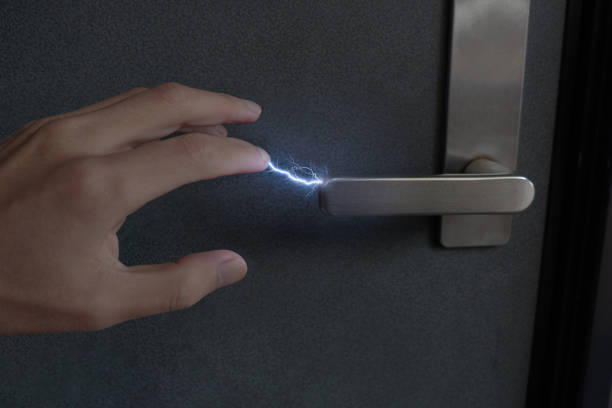
Have you ever felt a small electric jolt when touching a doorknob, car door, or even another personโ€”especially in dry, cold weather? This sensation is not imaginary; it’s caused by static electricity, and it’s more common when the air is dry or when your body is dehydrated.

Letโ€™s explore the real science behind this phenomenon.


1. What Causes the Electric Shock?
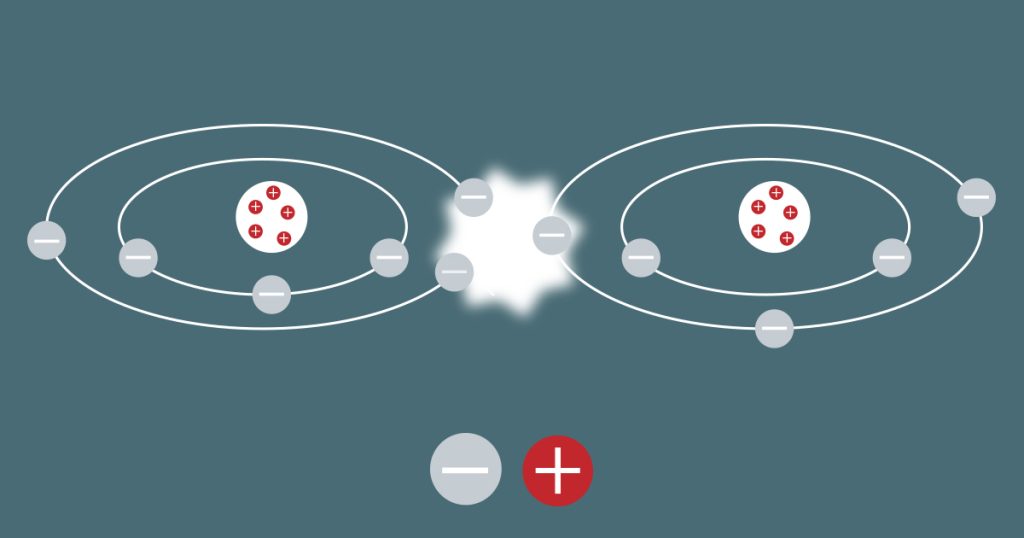
The shock you feel is due to static electricityโ€”an imbalance of electric charges between your body and another object.

  • As you move, especially wearing synthetic clothes or walking on carpet, friction causes electrons to accumulate on your body.
  • When you touch a conductor (like metal), those extra electrons suddenly discharge, causing a small shock.

2. Why It Happens More in Dry or Cold Weather

Humidity in the air helps dissipate static charges from your body. In dry climates or winter months, the lack of moisture in the air allows static charge to build up more easily.

  • In dry weather, the air doesn’t conduct electricity well.
  • This means your body holds on to static charge longer.
  • As a result, the shock is more intense when it finally discharges.

3. Does Dehydration Make It Worse?

Yesโ€”dehydration can increase the tendency to build up static electricity.

  • Our bodies are made up of about 60% water, and water is a conductor of electricity.
  • When dehydrated, the bodyโ€™s conductivity decreases, making it harder to dissipate electrical charge.
  • A dry body, dry skin, and dry air together become a perfect environment for static charge to build up.
4. Common Everyday Situations That Cause Static Shock

  • Rubbing against wool or polyester clothing
  • Walking on carpets (especially synthetic ones)
  • Sliding across car seats
  • Low humidity environments (air-conditioned rooms, winter)
  • Using plastic chairs or plastic-based objects

5. How to Prevent Static Shocks

  • Stay Hydrated: Drink enough water to maintain normal body moisture and conductivity.
  • Use Moisturizer: Dry skin builds more charge; apply lotion, especially in winter.
  • Increase Humidity: Use a humidifier at home or office to maintain 40โ€“60% humidity.
  • Avoid Synthetic Clothes: Opt for cotton or natural fibers.
  • Touch Metal Often: Discharge static regularly by touching grounded metal.

Conclusion

The electric current you feel in dry weather or when dehydrated is a real, natural phenomenon called static electricity. Itโ€™s not dangerous, but it can be annoying. By understanding the science and taking a few simple steps, you can reduce or avoid these shocks entirely.


-Eagle

Politics and Public Health: The Power Struggle Behind Healthcare in Pakistan


The Role of Politics in Health โ€“ With Examples from Pakistan

Health is fundamentally influenced by politics. Political priorities shape health policies, budget allocations, access to care, and even life expectancy. In countries like Pakistan, where health indicators remain a major concern, the political system plays a decisive role in determining the quality and reach of healthcare services.


1. Political Determinants of Health in Pakistan

Political determinants refer to decisions made by policymakers that directly or indirectly affect peopleโ€™s health. In Pakistan, political instability, corruption, and inconsistent policies have historically weakened the health system. Frequent changes in leadership result in poor continuity of health programs and underfunding.

For example, Pakistanโ€™s National Health Vision (2016โ€“2025) aimed to create a coordinated health strategy across federal and provincial levels after the 18th Amendment. However, implementation has been slow due to political fragmentation and lack of accountability.


2. Health Budget and Resource Allocation

Pakistan spends less than 2% of its GDP on health, which is far below the WHO recommendation of 5%. This low investment reflects the lack of political prioritization of health. While large sums are often allocated to defense or infrastructure, the healthcare system suffers from under-resourced public hospitals, lack of rural facilities, and brain drain of healthcare professionals.

The Sehat Sahulat Program, introduced under the PTI government, was a step towards Universal Health Coverage (UHC). It provided free health insurance to low-income families in KP and Punjab. However, political changes affected its continuity and expansion, showing how political will directly impacts health equity.


3. Political Responses During Crises

The COVID-19 pandemic revealed both the strengths and weaknesses of political leadership in health emergencies. While Pakistan was praised for its smart lockdown strategy and vaccine rollout under the NCOC (National Command and Operation Center), political rivalry often undermined collaboration between provinces and the federal government.

Additionally, vaccine hesitancy was worsened by mixed messages from political leaders and religious groups, highlighting the role of political influence in public perception and health communication.


4. Health Equity, Advocacy, and Gender

Pakistan faces significant health disparities based on income, gender, and geography. Rural areas have limited access to maternal health, while Balochistan and interior Sindh remain underserved. Political neglect in these areas contributes to higher maternal and infant mortality.

Despite this, strong political advocacy can lead to positive change. Laws on mandatory vaccinations, tobacco control, and reproductive health rights have been passed due to pressure from health activists and civil societyโ€”demonstrating that political engagement is essential for progress.


5. Global Health and Political Image

Pakistan’s participation in global health diplomacy, such as polio eradication efforts, is heavily influenced by its political image. While international partners like WHO and UNICEF have supported the mission, political resistance, attacks on vaccinators, and lack of security have hindered progress.


Conclusion

In Pakistan, as in the rest of the world, health is a political choice. Governments decide whether health will be a right or a privilege. Political instability, lack of commitment, and poor governance have long hampered Pakistan’s health outcomes. However, where there is political willโ€”such as seen in the Sehat Card Program or COVID-19 responseโ€”positive change is possible.

To build a healthier future, Pakistan needs consistent, transparent, and inclusive political leadership that treats health as a national priority, not an afterthought.